Jesus never used the phrase Christian nationalism. Christianity did not yet exist as a state-backed institution, and the United States was almost eighteen centuries away. Anyone claiming an exact answer is interpreting ancient texts, not quoting a direct statement.
We can still ask how the Gospel accounts portray Jesus responding to nationalism’s ingredients: sacred national identity, political power, religious status, outsiders, enemies, and rulers.
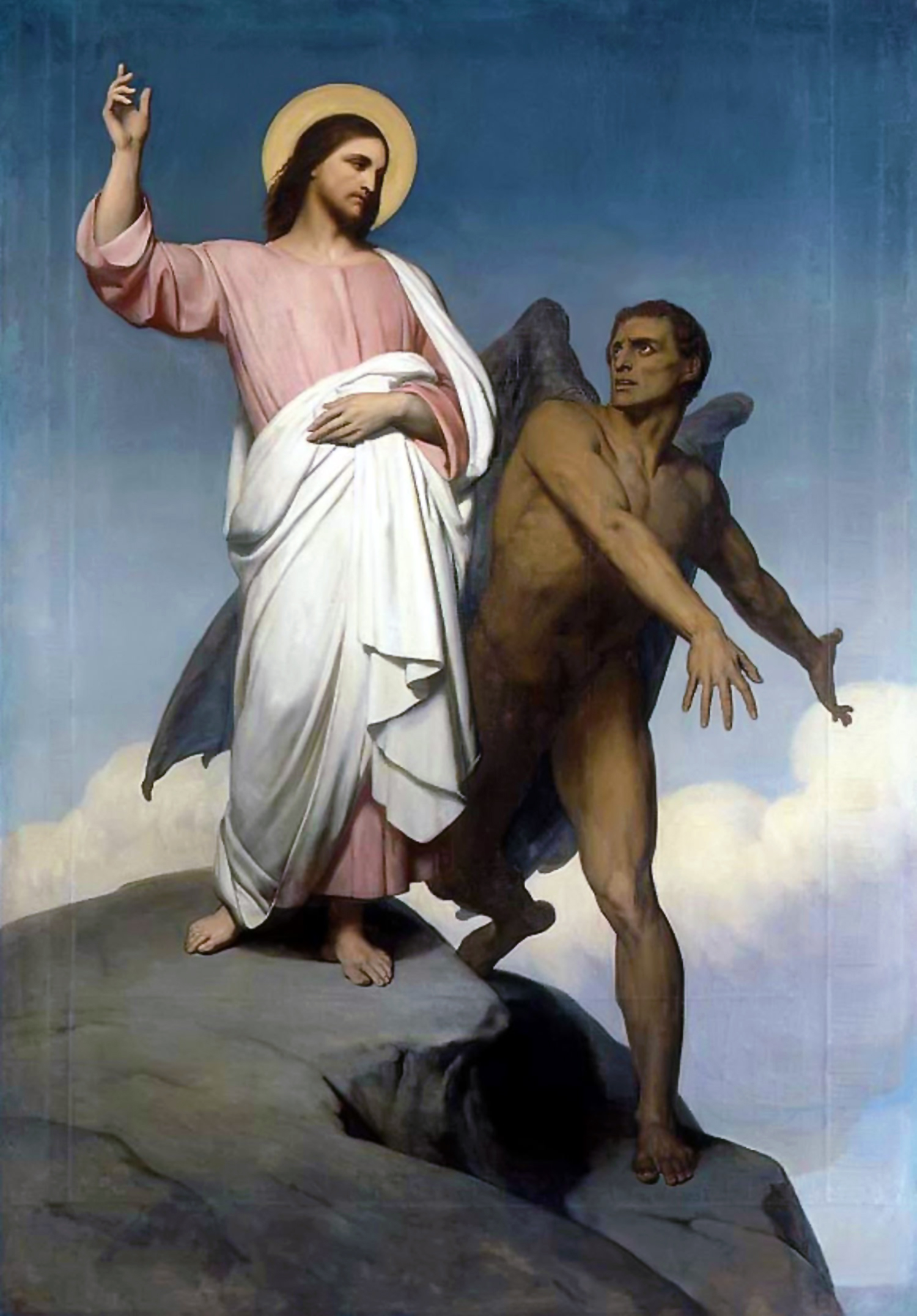
Jesus Did Not Offer Easy Political Endorsements
The Gospels repeatedly show people trying to trap Jesus inside political and religious disputes. His answer about giving Caesar what belongs to Caesar and God what belongs to God has supported several Christian views of church and state.
What it does not do is simply identify national power with God’s authority. Christian nationalists may see government as a tool for protecting moral order. Critics warn that the arrangement turns political loyalty into a test of faith.
Jesus Centered the Neighbor, Including the Outsider
In the Good Samaritan parable, the socially distrusted outsider becomes the moral example. In Matthew 25, care for the stranger, hungry person, prisoner, sick person, and poorly clothed person becomes a measure of faithfulness.
Christians disagree about immigration law and government capacity. They cannot honestly discuss Jesus and borders without confronting those passages.

“You Deport Christ When You Deport the Stranger” Sticker
The design applies Matthew 25 directly to immigration politics. It is an interpretation, but it makes the scriptural source of the moral challenge visible.
Jesus Warned Religious Leaders About Hypocrisy
Matthew 23 contains some of Jesus’s harshest language. It is aimed at religious leaders who seek honor, burden others, display righteousness, and neglect justice, mercy, and faithfulness.
That warning can be abused when Christians apply it only to their opponents. The passage begins as a mirror for religious power, including the power held by the person quoting it.

Jesus Reversed the Usual Image of Leadership
Jesus told his followers that rulers “lord it over” others, but leadership among them should look like service. He washed his disciples’ feet and placed the vulnerable near the center of moral concern.
Modern states cannot literally operate as first-century religious communities. Still, leadership built around domination, humiliation, revenge, or permanent out-groups is difficult to reconcile with that model.

“Christ Flipped Tables for Less” Religious Satire Sticker
This sticker challenges the picture of Jesus as endlessly passive. The temple story shows moral anger, although it should not be stretched into permission for any action someone calls righteous.
Frequently Asked Questions
Did Jesus teach separation of church and state?
Not in the modern constitutional sense. His teachings have supported Christian arguments both for political engagement and for keeping church authority independent from state power.
Would Jesus support a Christian nation?
The Gospels do not answer that modern question directly. They repeatedly warn against domination, exclusion, hypocrisy, and confusing worldly status with faithfulness.
Was Jesus against government?
No simple label fits. He interacted with officials, criticized rulers, paid taxes, and proclaimed a kingdom not reducible to the Roman state.
Can both political parties misuse Jesus?
Yes. Any party can quote selectively, claim divine approval, or ignore teachings that challenge its coalition.
The Question Should Remain Uncomfortable
“What would Jesus say?” is useful only if it can unsettle the person asking it. If Jesus always agrees with our party, fears our enemies, and protects our status, we may be listening to a political reflection rather than the Gospel figure.
Related designs appear in the WWJD Stickers, Religious Satire, Funny Jesus Stickers, and Anti-ICE collections.
Related Reading
Jesus’s Teachings vs. Christian Nationalism: A direct comparison of the central ideas.
Why These Stickers Contrast Jesus With Right-Wing Politics: Why satire puts the contradiction into one image.
How Political Movements Misuse Christianity: How sacred authority gets attached to political goals.
Why Jesus Is Used to Challenge Political Hypocrisy: The long history of turning Jesus back toward religious power.
Sources: PRRI, Christian Nationalism Across All 50 States; Matthew 4, Matthew 5–7, Matthew 22–25, Mark 10, Luke 10, John 13.
About Quietly Loud Prints
Quietly Loud Prints designs original parody, activist, educational, and political stickers inspired by history, humor, and grassroots movements. Our goal is to create thoughtful designs that help people express ideas through everyday objects.