Christianity and Christian nationalism are not interchangeable. Christianity is a diverse religious tradition centered on Jesus. Christian nationalism is a political ideology that treats Christianity as a defining feature of national identity and often seeks to give that identity special influence in government.
Christians disagree about politics and about how scripture should shape public life. The contrast becomes clearer when we compare recurring themes in the Gospel accounts with the goals commonly measured in Christian-nationalism research.
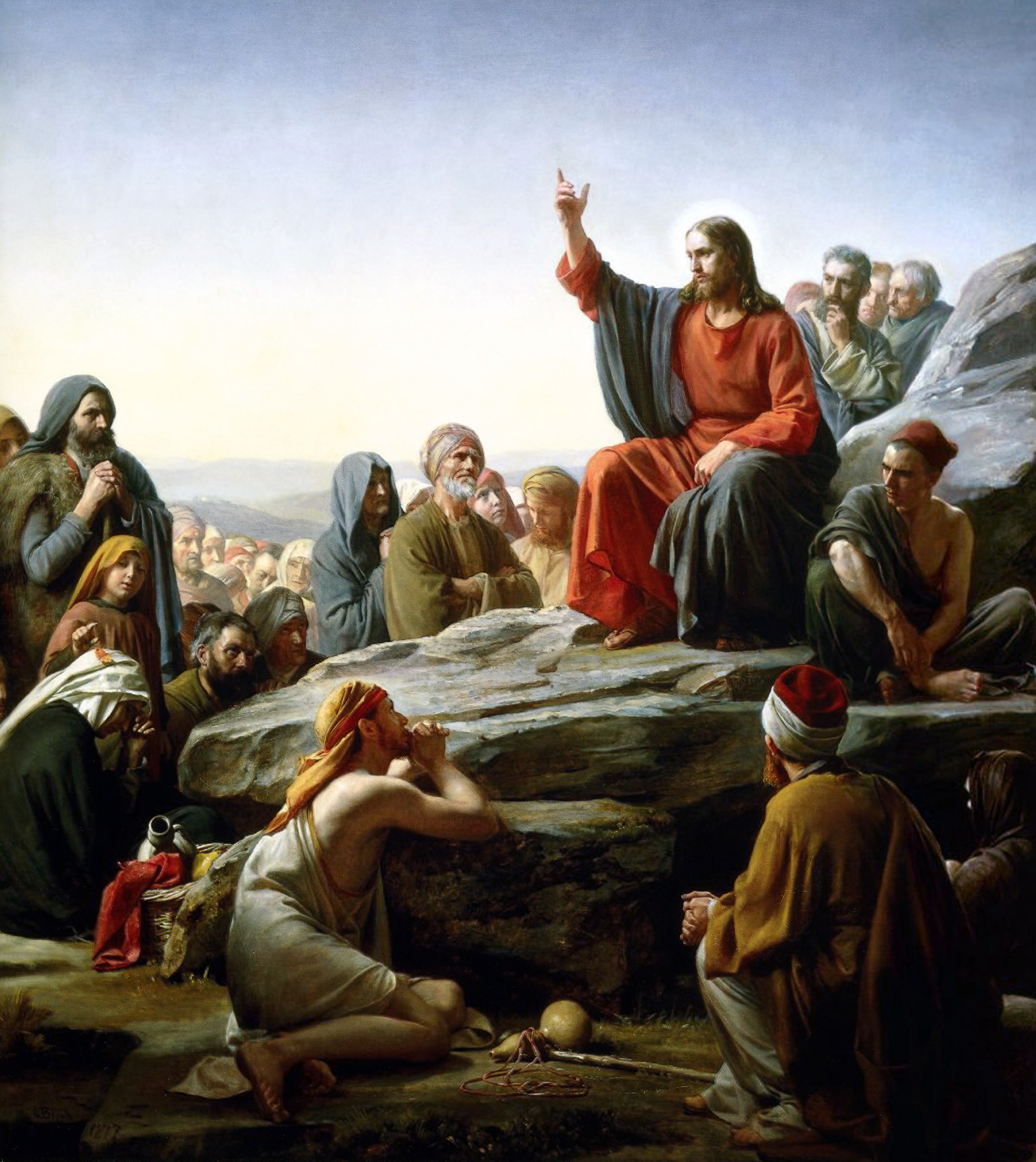
What Is Christian Nationalism?
Researchers generally use the term for beliefs that closely connect being American with being Christian, describe the nation as specially chosen by God, or favor government support for a preferred Christian identity. PRRI and Brookings measure it with questions about Christian identity, divine purpose, schools, and government.
The term does not describe every patriotic Christian, political conservative, evangelical, or person who wants faith to influence moral choices. It describes a particular fusion of religious and national belonging.
Jesus Taught a Kingdom That Was Not a Nation-State
The Gospels speak repeatedly about the “kingdom of God.” Jesus did not present it as a border, ethnic group, military state, or citizenship category. He described it through mercy, repentance, justice, service, and changed relationships.
Christian nationalism shifts attention toward control of a particular country and its institutions. That does not prove every national policy is unchristian. It does create a tension between a universal religious community and a political system designed to privilege one national religious identity.

“WWJD? Not This Shit, That’s for Sure” Jesus Parody Sticker
This design uses the familiar “What would Jesus do?” question to challenge attempts to place his approval on a political agenda without examining the agenda’s conduct.
Mercy and Enemy-Love Complicate Political Power
In the Sermon on the Mount, Jesus blesses peacemakers, praises mercy, and tells followers to love enemies. Elsewhere, he places care for the hungry, sick, imprisoned, poor, and stranger near the center of moral judgment.
Governments make coercive decisions, enforce borders, punish crimes, and wage war. Christian traditions disagree about how Jesus’s teachings apply to those duties. Still, rhetoric that celebrates cruelty or treats an out-group as less human sits uneasily beside the Gospel’s commands.
Jesus Warned About Wealth and Status
Jesus repeatedly warned about wealth, pride, religious performance, and the desire to be honored. Christian nationalism often appears inside ordinary electoral coalitions that also debate taxes, business, welfare, and property. No modern economic platform maps perfectly onto first-century teaching.
The discomfort remains useful. A movement claiming Jesus’s authority should be willing to explain how its treatment of poor people and concentrated power reflects the teacher it invokes.

“Jesus Fed the Poor, Sounds Pretty Socialist to Me” Sticker
This sticker is satire, not a claim that Jesus belonged to a modern party. It points to the gap between praising Jesus and dismissing care for hungry people as morally irrelevant.
Frequently Asked Questions
Is Christian nationalism the same as Christianity?
No. Christianity is a global religion with many traditions. Christian nationalism is a political ideology connecting Christian and national identity.
Can Christians be patriotic without being Christian nationalists?
Yes. Patriotism can express affection or responsibility toward a country without demanding religious privilege or treating the nation as sacred.
Was Jesus political?
Jesus spoke about power, wealth, law, social outsiders, and rulers. Scholars debate how directly his first-century teachings map onto modern government.
Does opposing Christian nationalism mean opposing Christians?
No. Many critics of Christian nationalism are Christian and understand their criticism as a defense of their faith.
A Faith Is Larger Than a Flag
Jesus’s teachings do not provide a modern party platform. They do supply moral tests involving mercy, truth, humility, service, enemies, wealth, and strangers. Christian nationalism becomes vulnerable when national power receives more protection than those teachings.
Explore related examples in the WWJD Stickers, Religious Satire, Funny Jesus Stickers, and Activism Quotes collections.
Related Reading
What Would Jesus Say About Christian Nationalism?: What the Gospel texts support and what remains interpretation.
Why These Stickers Contrast Jesus With Right-Wing Politics: How visual satire creates the comparison.
How Political Movements Misuse Christianity: Common methods for borrowing religious authority.
Why Jesus Is Used to Challenge Political Hypocrisy: Why Jesus remains an unusually powerful moral reference.
Sources: PRRI and Brookings, Christian Nationalism Survey; Smithsonian, Religion in Early America; Matthew 5–7, Luke 6, Luke 10, Matthew 25.
About Quietly Loud Prints
Quietly Loud Prints designs original parody, activist, educational, and political stickers inspired by history, humor, and grassroots movements. Our goal is to create thoughtful designs that help people express ideas through everyday objects.