Religious Americans have exactly the same right to vote, organize, and advocate for laws reflecting their beliefs as anyone else. That's ordinary democracy, and no fair discussion of abortion policy should pretend otherwise. The harder, more specific constitutional question sits one layer deeper: what happens when a law codifies a particular theological or philosophical answer to a genuinely contested question, one millions of citizens, religious and secular alike, don't share?
A Law Isn't Automatically Unconstitutional Because Religious People Wanted It
Get this out of the way first, because it trips up a lot of otherwise careful arguments. The First Amendment doesn't require legislators to check their beliefs, religious or otherwise, at the door before voting. Plenty of laws with religious roots, opposition to slavery and support for civil rights among the clearest historical examples, are not remotely unconstitutional simply because religious conviction motivated the people who pushed for them. The constitutional question was never "did religion influence this law." It's a narrower and more specific one: does the law establish, coerce, or grant preferential treatment to a particular religious position.

"Educated Minds Disrupt Empires" Sacred Geometry Sticker
Part of our Activism Quotes collection, this design speaks directly to the point above.
Where "When Life Begins" Actually Comes From
Abortion statutes routinely define terms like conception, fetal personhood, and when protectable life begins. Those definitions read as though they're simply factual or medical, but they're contested across religious, philosophical, and scientific lines in ways that rarely make it into the legislative text. Catholic doctrine and some Protestant traditions generally hold that personhood begins at conception. Jewish law, by contrast, generally holds that full personhood begins at birth, with the fetus holding significant but not equivalent moral status beforehand, a distinction with real practical consequences for how Jewish law treats pregnancy complications. Islamic scholarship contains a range of positions tied to fetal ensoulment, often placed well after conception. Secular philosophical arguments about personhood, developmental capacity, and moral status add still more positions, arrived at without appeal to religion at all.
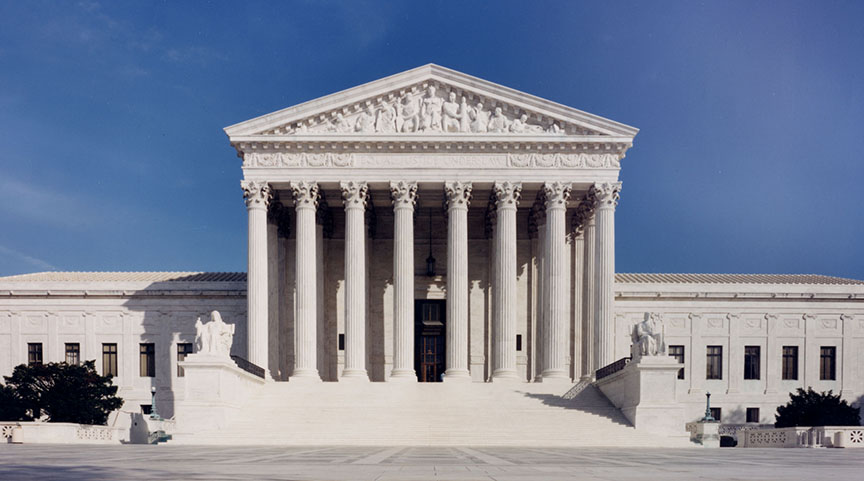
A law that adopts one specific answer, conception, as the legal starting point for personhood is adopting one contested position among several, not stating a neutral, universally agreed fact. That's the crux of the constitutional tension. It doesn't automatically make the law unconstitutional. It does make "this isn't about religion" a harder claim to defend than it sounds.
Establishment Clause vs. Free Exercise Clause, Briefly
The First Amendment does two related but distinct jobs here. The Establishment Clause limits government from officially favoring or entangling itself with a specific religion or religious position. The Free Exercise Clause protects a person's own right to practice their religion, or no religion, without government interference. A law built around one tradition's definition of personhood can raise Establishment Clause concerns for the public at large, while simultaneously raising Free Exercise concerns for anyone whose own religion holds a different position and now can't act on it. Both doctrines are considerably more complicated in actual case law than a soundbite can capture, and courts have reached different conclusions applying them to abortion statutes specifically.

The Question Worth Sitting With
At Quietly Loud Prints, we think this is the most useful frame in the entire series for anyone tired of the abortion debate collapsing into "religious people vs. secular people." That framing skips the actual constitutional question. The real one is: when citizens fundamentally, sincerely, and in some cases religiously disagree about when life begins, what does a government of religious pluralism owe to the citizens whose sincere answer differs from the one written into the statute?
Frequently Asked Questions
Does a law violate the Constitution just because religious people supported it?
No. Legislators and voters are entitled to be motivated by religious belief like any other belief. The constitutional question is narrower: whether the resulting law establishes, coerces, or grants preferential treatment to a specific religious position, not simply whether religious people favored it.
Do all religions actually agree that life begins at conception?
No. Positions vary significantly by tradition. Some hold personhood begins at conception, others at a later developmental point or at birth, and there are secular philosophical positions that differ from all of them.
What's the practical difference between the Establishment Clause and Free Exercise Clause here?
The Establishment Clause limits government from favoring a specific religious position in law. The Free Exercise Clause protects an individual's right to practice their own religion without government interference. A single abortion statute can raise questions under both, for different reasons, at the same time.
Related Reading
Christianity Isn't Christian Nationalism. The Difference Matters Here.: "Christian nationalism" gets thrown around as an insult and dismissed as a smear in equal measure.
What If Your Religion Doesn't Agree With the Abortion Ban?: Religious liberty arguments usually defend abortion restrictions.
The 19th Amendment Isn't Enough: The Constitutional Assault on Women's Rights in 2026: The Constitution guarantees women the vote.
Sources: First Amendment Establishment Clause and Free Exercise Clause case law overview; Pew Research Center, religious positions on abortion by tradition; My Jewish Learning / Jewish denominational sources, Jewish law on fetal personhood and abortion
About Quietly Loud Prints
Quietly Loud Prints designs original parody, activist, educational, and political stickers inspired by history, humor, and grassroots movements. Our goal is to create thoughtful designs that help people express ideas through everyday objects.