The most direct answer this series can give to "can ICE stop someone based on how they look or sound" comes from a real, still-unresolved Supreme Court case out of Los Angeles. This piece covers what the lower courts found, what the Supreme Court actually did (and didn't) decide, and where the litigation stands now.
What Was Actually Being Challenged
Documented fact: A federal district court in Los Angeles found, and the Ninth Circuit Court of Appeals agreed, that ICE's "roving patrol" stops in the area amounted to illegal racial profiling, and issued an injunction restricting the practice. In her dissent from the later Supreme Court stay, Justice Sotomayor summarized the specific factors the government itself acknowledged using to decide who to stop: (1) apparent race or ethnicity; (2) whether the person spoke Spanish, or spoke English with an accent; (3) the type of location where they were encountered, such as a car wash or bus stop; and (4) the type of work they appeared to be doing. This is the same "reason to believe" language at the heart of the warrantless-arrest statute covered earlier in this cluster — the question here is whether these four factors can lawfully supply that reason.
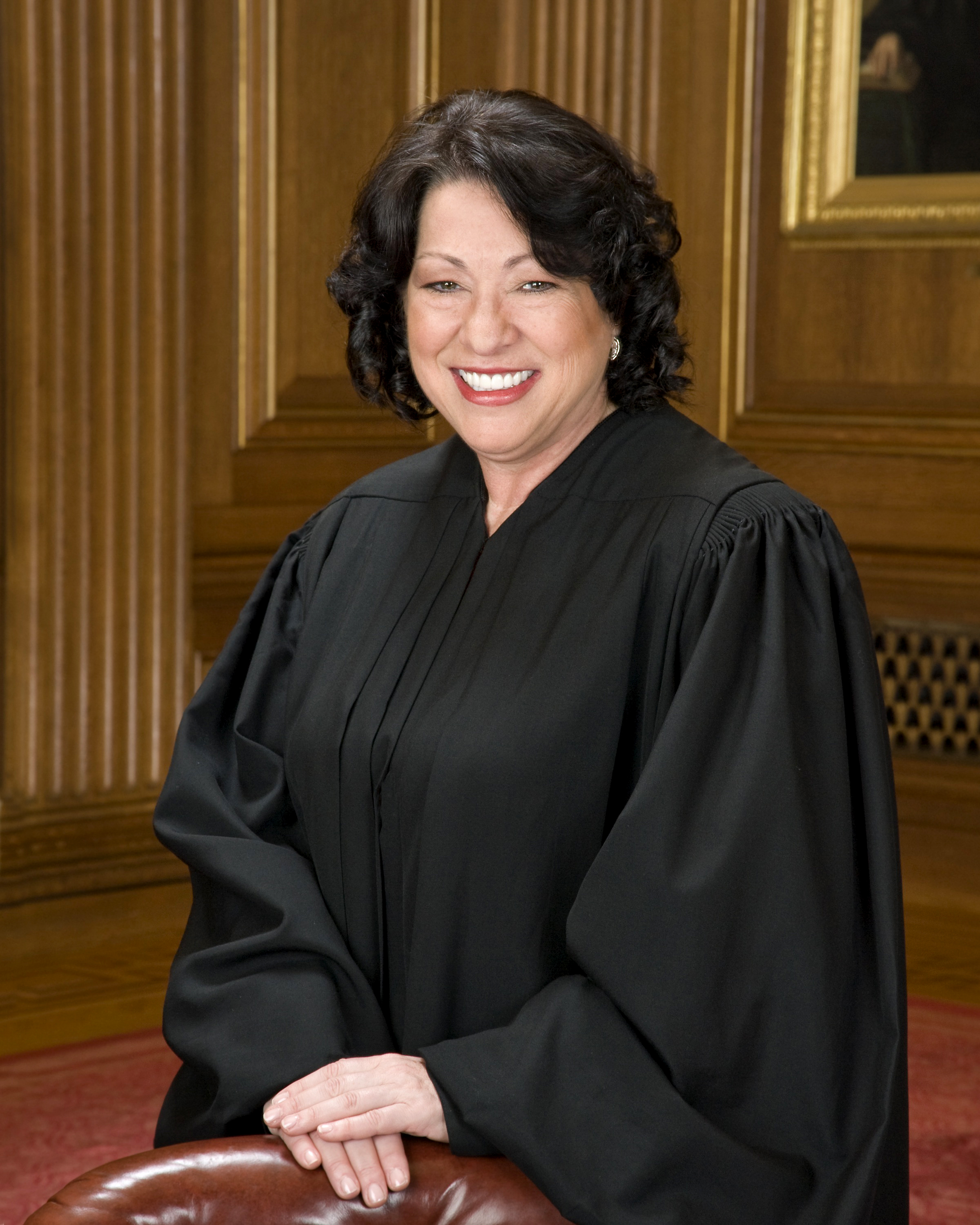
Justice Sonia Sotomayor
Sotomayor, joined by Justices Kagan and Jackson, dissented from the Court's stay, writing the government had been authorized to seize "anyone who looks Latino, speaks Spanish, and appears to work a low wage job." Photo: Collection of the Supreme Court of the United States, Steve Petteway, public domain, via Wikimedia Commons.
What the Supreme Court Actually Did
Documented fact: On September 8, 2025, the Supreme Court voted 6–3 in Noem v. Vasquez Perdomo to grant the government's emergency request to lift the district court's injunction, allowing ICE to resume the challenged enforcement practices in the Los Angeles area while the underlying case continues. This ruling came through the Court's "shadow docket" — meaning no oral argument, no full briefing, and no detailed majority opinion explaining the reasoning at the time of the order, just a single sentence. Interpretation: a shadow-docket stay is a procedural, emergency-posture ruling, not a final decision on the merits of whether the four-factor practice is constitutional. It temporarily changes what ICE may do while the case proceeds; it does not permanently resolve the underlying legal question.

"I.C.E. Imperialist COP OUTS EVERYWHERE" Sticker
Four factors a federal appeals court already called illegal racial profiling, now temporarily back in play on an emergency order — this design says what a lot of Angelenos are thinking right now. Fuck Ice, plainly, on a sticker.
➡ Browse the Anti-ICE Stickers Collection
The Standard That Applies Now
Documented fact: With the injunction lifted, ICE enforcement in the area is proceeding under a "reasonable suspicion, totality of the circumstances" framework — the general Fourth Amendment standard for investigative stops, rather than the specific injunction that had barred the four factors from being used as the basis for a stop. As the American Immigration Council's analysis and NPR's coverage both note, this effectively clears the way for ICE to treat race, language, location, and occupation as relevant factors again while the underlying case is litigated.
Frequently Asked Questions
Did the Supreme Court say racial profiling by ICE is legal?
No — the Court has not issued a ruling on the merits of that question as of this writing. It lifted a lower-court injunction on an emergency, temporary basis, which is a different and narrower legal action than upholding the underlying practice as constitutional.
Is this case over?
No. The underlying lawsuit continues in the lower courts; the Supreme Court's stay changes what ICE may do while that continues, not the ultimate outcome. A full merits ruling, whenever it comes, could reinstate the original injunction, narrow it, or reject it outright — all three outcomes remain legally possible at this stage.
Does this ruling apply nationwide?
The underlying injunction was specific to the Los Angeles-area enforcement practices at issue in this case; readers should not assume this order by itself resolves the legal status of similar practices in other jurisdictions, including the wrongful-detention cases covered in our piece on ICE detaining U.S. citizens.

"Can You Really Call It 'Greatness'..." Sticker
A shadow-docket order with no majority opinion, reversing two lower courts that had already found illegal profiling, is exactly the kind of unaccountable use of state power this design calls out — squarely in Anti-Authoritarian Stickers territory.
➡ Browse the Anti-ICE Stickers Collection
Every Abolish Ice sticker and magnet purchase from our Anti-ICE Stickers collection helps fund the reporting and continued development of this public resource.
Related Reading
Can ICE Arrest Someone Without a Warrant?: the statutory "reason to believe" standard this case is really about whether four factors can satisfy.
Can ICE Detain a U.S. Citizen?: real cases where profiling-adjacent stops swept up people who turned out to be citizens.
Fact-Check: "ICE Can Arrest Anyone Illegally" Claim: examines the broader version of the claim this Supreme Court case sits inside.
Sources: Noem v. Vasquez Perdomo, Supreme Court order and Sotomayor dissent, Sept. 8, 2025; American Immigration Council, "How the Supreme Court's Latest Decision Clears the Way for Racial Profiling During Immigration Raids"; NPR, "The Supreme Court clears the way for ICE agents to treat race as grounds for immigration stops"; Richmond Public Interest Law Review analysis.
About Quietly Loud Prints
Quietly Loud Prints designs original parody, activist, educational, and political stickers inspired by history, humor, and grassroots movements. Our goal is to create thoughtful designs that help people express ideas through everyday objects.